
Introduction
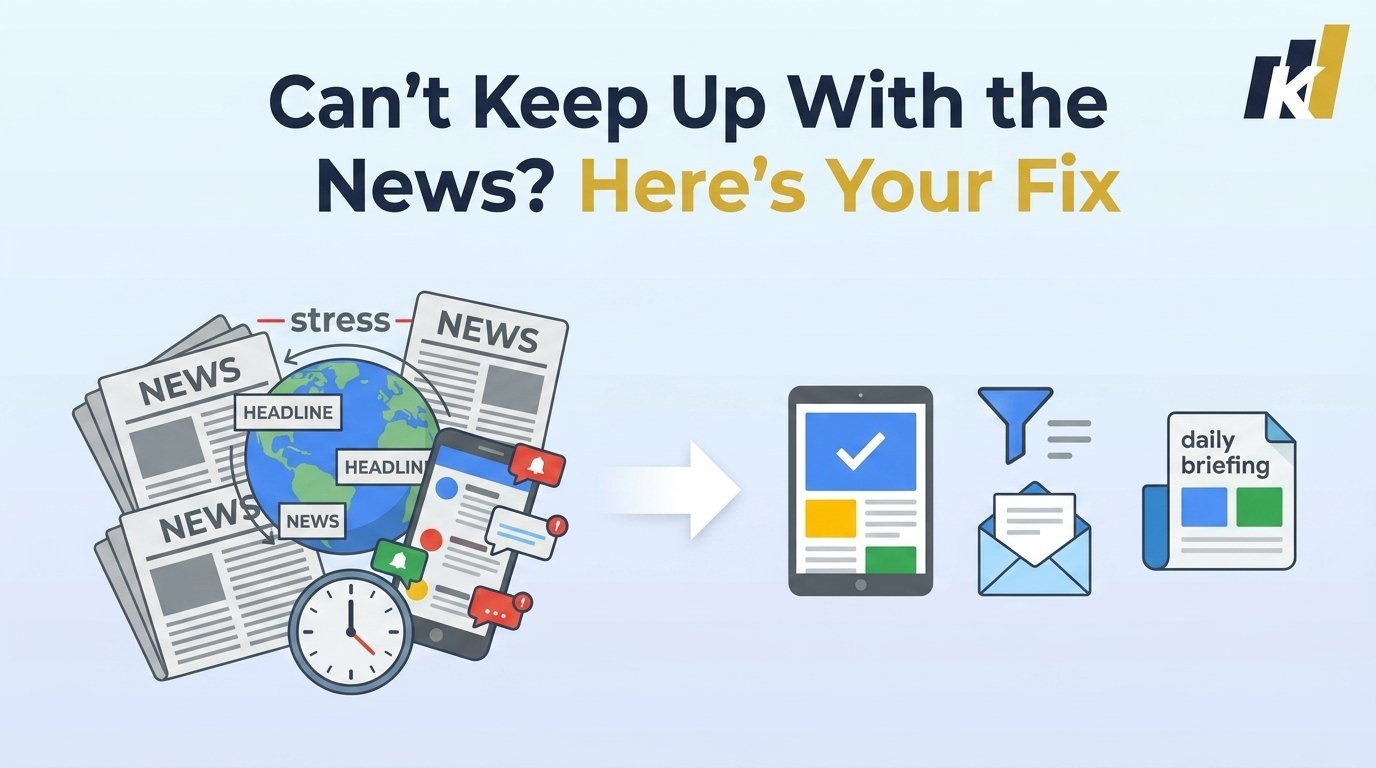
The news moves fast. Really fast. And if you’ve tried keeping up, you know how quickly it turns into a mess of conflicting headlines, half-truths, and zero clarity on what actually matters.
Most people try to fix this by following more sources. More apps. More notifications. That just adds noise, not understanding. You end up more confused, not better informed about the big news of the day.
This article shows you exactly how to stay on top of news updates today, cut through the noise, and understand what’s happening in the world – without spending hours glued to a screen. The fixes here are specific and practical. They work whether you check news once a day or every hour. Let’s sort this out.
Quick Answer
Quick Answer: Struggling to keep up with the news happens because most people follow too many sources with no real system. To fix it: pick 2 to 3 reliable sources, use a news aggregator, and check on a schedule. Most people see results when they stop reacting to every notification and start reading with intention.
You’re Following Too Many Sources and It’s Backfiring
Why It Occurs
You subscribe to a single newsletter. Then one more. A few apps are added. Keep up with twelve accounts. They all give out alerts. The outcome is paralysis rather than increased knowledge. When everything shouts “urgent,” nothing seems urgent. Your brain begins to disregard everything.
The Solution
- Make a list of all the news sources you now utilize.
- Select the two or three that address your true concerns and that you trust the most.
- Mute or unsubscribe from anything else. Remove, not pause.
- To check those sources, set aside one or two specified times each day. For most people, morning and evening are ideal.
This seems too easy. It isn’t. The single biggest improvement that most people make is reducing their sources. Information is not being lost. You’re becoming more focused.
The outcome
The most recent news of the day no longer overwhelms you. Because you are paying attention rather than quickly scanning forty headlines in a low-grade fear, the news you do read actually sticks.
Typical Errors:
- preserving “backup” sources “just in case.” This negates the entire purpose. Make a commitment to your short list.

You Can’t Tell What’s Real News and What’s Clickbait
Why It Happens
Clickbait headlines are written by people who study what makes you click – not what’s true. Words like “shocking,” “bombshell,” and “you won’t believe” trigger emotional reactions faster than your brain can evaluate the actual claim. You click, skim, feel stressed, and sometimes share something that turned out to be completely overblown.
The Fix
- Read the full article, not just the headline. The headline is marketing. The article is the news.
- Check whether the story appears on two or three outlets you trust. If only one source has it, wait.
- Look at the date. Old stories get recirculated constantly as if they’re breaking news.
- Check who wrote it. No byline or an anonymous source? Apply extra skepticism before sharing.
[Related post: Amortization Schedule Calculator: Fix Your Numbers Fast]
Result
You share less junk. You stress less. And you build a mental filter that gets faster and more reliable the more you use it.
Common Mistakes:
- Trusting a headline because it matches what you already believe. That’s the most common way bad information spreads.
Big News Keeps Passing You By Because of Algorithms
Why It Occurs
Social media sites are designed to keep you interested, not to inform you. You will see more videos if you clicked on three of them last week. The system silently stops displaying certain subjects if you continuously ignore them. This creates a bubble where you miss very significant news that doesn’t match your preexisting patterns and see a lot of “latest on the news today” that does.
The Solution
- Instead of depending on social media feeds to bring up stories for you, go straight to news sources.
- Make use of an RSS reader or aggregator such as Feedly or Google News. These draw from a variety of sources according to subjects rather than engagement trends.
- Examine a real editorial front page from a reliable publication once a week. Stories are prioritized by editors. They are ranked by algorithms based on anticipated clicks.
The outcome
The experience of learning about significant events two days after everyone else ends for you. These days, you learn about world events as they happen rather than when a platform says you should.
Pro Tip: Add one or two sources you wouldn’t normally read to your aggregator. It closes gaps in your news diet without overwhelming you.
World News Today Feels Like Too Much to Process
Why It Happens
World news today covers conflict, economics, politics, health, and technology – simultaneously, constantly. If you try to follow all of it, you’ll either shut down or develop a background hum of anxiety that doesn’t go away. Neither helps you stay genuinely informed. It just makes news feel like a threat instead of useful information.
The Fix
- Decide what matters to you by category. Pick two or three topics you want to follow closely. Follow the rest loosely, through short briefings.
- Use a daily five-minute audio or written briefing for world news updates. Covers the highlights without pulling you into every detail.
- Give yourself a daily time limit. Set a timer. When it goes off, you’re done with news for the day.
[Related post: Amortization Calculator: Fix Your Loan Math Fast]
Result
You stay informed on the things that actually affect your life and decisions. You stop feeling guilty for not knowing every detail of every story happening everywhere.
Warning: News anxiety is real. If following the news consistently makes you feel worse rather than more informed, cutting back is not irresponsible. It’s practical.

You’re Getting News Updates but Not Understanding What They Mean
Why It Happens
Raw news – a headline, a quote, a statistic – rarely comes with context. If you don’t know the background of a story, a single update tells you almost nothing useful. This is why many people feel like they “follow the news” but still can’t explain what’s actually happening or why it matters.
The Fix
- When a story matters to you, find one long-form explainer on it. Not breaking news – a written analysis or background piece. Most major outlets publish these alongside their daily coverage.
- Follow one or two journalists who specialize in topics you care about. Specialists give context that general reporters often can’t.
- Keep a simple bookmark folder for ongoing stories. Even four or five saved articles on a topic builds enough background to make future news updates actually land.
Result
News stops feeling like a stream of disconnected events. You start seeing patterns. You understand why things are happening, not just that they happened.
Common Mistakes:
- Skipping context because it feels like extra work. Without it, news updates create noise. With it, they tell you something real.
FAQ
Why can’t I keep up with today’s news even when I try?
The problem isn’t effort – it’s volume. Most people follow too many sources with no real system in place. When everything feels urgent, nothing stands out. The fix is to cut down to 2 to 3 trusted outlets and check them at set times. Following less actually keeps you better informed because you read what you see instead of skimming and forgetting.
What’s the best way to get a news update today without spending hours on it?
Use a daily news briefing. Most major outlets publish a short morning summary that covers the most important stories in under five minutes. Combine that with one trusted aggregator and you’ll have a solid picture of the day’s news in less time than most people spend scrolling through one social feed.
How do I know if a news story is real or clickbait?
Check whether more than one trusted outlet covers it. Read the full article, not just the headline. Look at who wrote it and when it was published – old stories get reshared constantly as if they’re new. If a story only exists on one site and the headline uses extreme language, treat it as unverified until a second source confirms it.
Why do I keep missing big news stories?
Social platform algorithms show you content based on what you’ve clicked before, not what’s most important. If a big news story doesn’t match your usual patterns, it gets filtered out. The fix is to go directly to news sources rather than relying on social feeds. An editorial front page still ranks stories by importance, not by your click history.
How do I follow world news today without feeling overwhelmed?
Pick two or three global topics you want to follow closely. Use short daily briefings for everything else. Set a time limit for reading news each day and stick to it. You don’t need to know every detail of every story to stay informed. Focused, consistent reading beats scattered, anxious scrolling every time.
What’s the fastest way to stay on top of breaking news?
Set up a news aggregator like Google News or Feedly with your key topics. Turn off most notifications except from one or two sources you trust for genuinely urgent updates. Check your aggregator once in the morning and once in the evening. That simple routine catches almost everything important without the constant distraction of real-time alerts.
The News Problem Is Fixable
You don’t need more apps, more time, or more willpower to keep up with the news. You need a simpler system.
The three changes that make the biggest difference: cut your sources down to 2 to 3 you actually trust, replace social feeds with direct sources or aggregators, and use briefings to build context rather than raw headline scrolling.
Right now, pick one news source you trust and mute one you don’t. That’s it. One change.
Staying informed doesn’t mean reading everything. It means reading the right things consistently. The people who feel best informed about news updates today aren’t the ones consuming the most – they’re the ones who’ve built a repeatable habit that doesn’t burn them out. You can do the same.